How to Spot a Company Offering Quality Pest Control Services
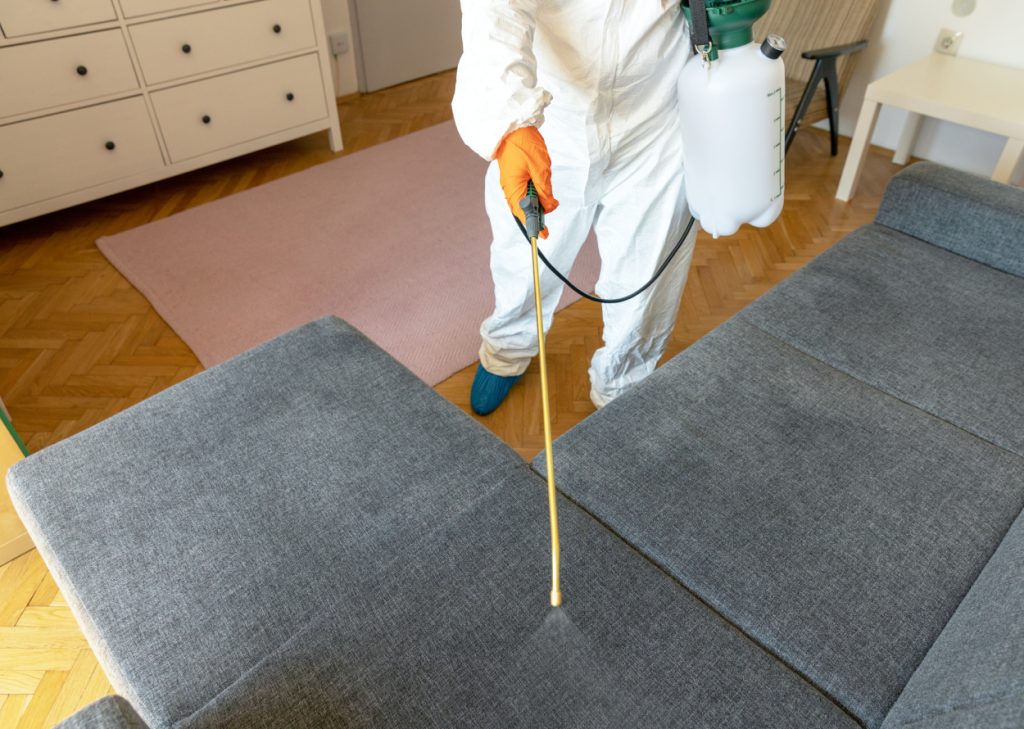
Hiring the right pest control company is not just about getting rid of a nuisance. It is about protecting a property, avoiding repeat infestations, reducing health risks, and making sure the treatment itself does not create new problems. A poor provider can waste your money with rushed inspections, vague guarantees, and treatments that barely touch the source of the issue. A good one will save you time, prevent structural damage, and give you a clear path forward.
That difference matters more than many homeowners and property managers realize. By the time people call for Pest Control Services, they are often already stressed. They may have heard scratching in the walls at night, found termite mud tubes near the foundation, noticed roach activity around the kitchen, or discovered ants returning no matter how many sprays they bought at the store. In that state, it is easy to pick the first company with an ad and an opening. It is much harder, and far more important, to slow down long enough to judge quality.
The strongest companies tend to reveal themselves quickly once you know what to look for. Their process is more disciplined, their communication is clearer, and their recommendations make sense in the context of your property rather than sounding like a script.
Real pest control starts with inspection, not chemicals
One of the clearest signs of a quality company is what happens before any treatment is proposed. Serious professionals inspect first. They do not guess from a brief phone description, and they do not jump straight to a one-size-fits-all spray package.
A proper inspection is methodical. For a roach issue, that may include checking moisture sources under sinks, looking behind appliances, inspecting voids around plumbing penetrations, and asking where activity is highest and at what times of day. For termites, it may involve probing damaged wood, checking crawl spaces, examining the slab edge, and identifying conditions that attract infestation, such as wood-to-soil contact or drainage problems. For rodents, a technician should be looking for rub marks, droppings, gnaw points, entry holes, and nesting zones, not just setting traps wherever space allows.
This matters because pests are rarely random. They are responding to food, water, shelter, access, and breeding conditions. If a company cannot explain why the pests are there, it is unlikely to remove them for long.
I have seen this firsthand with recurring ant problems around patios and kitchens. Homeowners often assume the treatment failed because ants came back. In many cases, the first company never traced the colony trail, never identified the species, and never addressed landscape moisture or foundation gaps. The job was framed as a quick spray, when the real work was diagnosis. A better company would have taken the time to connect the pattern.
Licensing and insurance are the floor, not the ceiling
Any company you consider should be properly licensed according to your state or local regulations. That is non-negotiable. Licensing usually indicates that technicians or applicators have met training requirements and are authorized to use regulated products. Insurance matters just as much. If something goes wrong, whether from accidental damage or an application issue, you do not want to learn too late that the company lacks adequate coverage.
Still, licensing alone does not prove excellence. Plenty of average providers are fully licensed. Think of credentials as a basic threshold. Once that is verified, you need to look deeper into how the company operates.
A quality firm can usually answer practical questions without hesitation. Are technicians trained in the specific pests common to this region? Who supervises field work? Are newer employees paired with experienced staff? How are treatments documented? If the answers are vague or defensive, that is a warning sign. Reputable operators are typically used to these questions because informed customers ask them.
Good companies explain the problem in plain language
Pest control can sound technical, and sometimes it is. But quality service is not measured by how many industry terms a company throws at you. It is measured by whether they can make the situation understandable.
A strong technician should be able to walk you through what they found, where activity is concentrated, how pests are getting in, what treatment options exist, and what results to expect over time. They should also tell you what their service will not do. That last part is often where honesty shows.
For example, no ethical company should promise that one visit will permanently eliminate every roach issue in a heavily infested multi-unit building. No one should guarantee zero rodents forever if exterior entry points remain open and sanitation is poor. Bed bug work, especially in cluttered settings, can require multiple visits and cooperation from the occupant. Termite protection may involve ongoing monitoring even after treatment.
When a company acknowledges limits and variables, that is usually a good sign. They are treating the situation as a real field problem, not a sales pitch.
Watch how they talk about treatment methods
Homeowners sometimes assume that stronger chemicals equal better results. Experienced pest professionals know that the opposite can be true. Overapplication, poor product choice, and indiscriminate spraying can make control worse, not better. Some pests scatter under pressure. Others avoid treated zones and continue breeding elsewhere. In some cases, the wrong treatment can expose children, pets, or sensitive occupants to unnecessary risk without improving outcomes.
Quality Pest Control Services usually rely on targeted methods. That can include baits, exclusion work, crack-and-crevice treatment, habitat modification, monitoring devices, dust application in specific voids, or exterior perimeter defense where appropriate. The exact plan depends on the pest and the structure.
If a company’s entire strategy sounds like “we spray everything,” be careful. Broad treatment has its place in certain situations, but it should not be the only tool they know how to discuss. A competent provider thinks in terms of pest biology, movement patterns, and conditions on site.
That is especially important if your household includes infants, elderly residents, pets, or anyone with respiratory sensitivities. A reliable company should be comfortable discussing product categories, safety precautions, re-entry timing, ventilation needs, and non-chemical measures. They do not need to turn the kitchen table into a chemistry seminar, but they should not dodge the conversation either.
Guarantees are useful, but only if they are specific
Many companies advertise guarantees because customers expect them. The details tell you whether those guarantees have real value.
A good guarantee is clear about the covered pest, the service period, and what follow-up looks like. If ants reappear within a stated period, will they return at no additional charge? If rodents remain active, does the agreement include trap resets and reinspection? If termites are involved, does the warranty cover retreatment, damage repair, or only annual monitoring? The answers vary widely.
Vague promises are a common problem. “Guaranteed satisfaction” sounds reassuring until you try to redeem it and learn that follow-up is limited, excludes certain areas, or requires fees buried in the service agreement. Read the terms before signing. If the company resists sharing them, take that resistance seriously.
The best providers do not rely on the guarantee to close the sale. They use it to support a treatment plan that already makes sense.
Pricing should be transparent, not suspiciously low
Every market has budget shoppers, and there is nothing wrong with comparing prices. Pest control is a service category where the cheapest bid often becomes the most expensive choice over time.
Lowball quotes usually show up in a few ways. The inspection is rushed. The scope is thin. Follow-up is excluded. Accessory work like sealing entry points is omitted. The provider recommends a monthly program immediately, without proving why that frequency is needed. Or the initial visit is cheap, but every callback and add-on carries a separate charge.
A quality company should be able to explain what the price includes. That may cover inspection, treatment, monitoring, scheduled follow-up, exterior service, warranty terms, and documented recommendations for sanitation or repairs. If a termite proposal is higher than another one, there should be a reason, perhaps more complete trenching, a better monitoring plan, or materials suited to the structure.
Price should match scope. That is the comparison that matters.
One homeowner I once spoke with had selected the lowest quote for a rodent problem in an older house. The company placed bait stations and left in under thirty minutes. No one sealed the crawl space gap, screened the attic vent, or removed the nesting material near the water heater. Unsurprisingly, the scratching returned within weeks. The second company cost more, but they solved the problem because they treated the building envelope, not just the symptom.
Reviews help, but patterns matter more than star counts
Online reviews can be useful if you read them with judgment. A five-star average means little if there are only a handful of reviews, all posted within a short period. What you want are patterns across time.
Look for comments that mention specifics. Did the technician arrive on time? Was the inspection thorough? Did the company explain the findings clearly? Were follow-up visits handled promptly? Did the treatment actually hold up after several weeks or months? Reviews that mention pest type, timeline, and customer service details are more informative than generic praise.
Negative reviews deserve context. Any service business that has operated for years will have a few unhappy customers. What matters is the nature of the complaints. Repeated remarks about no-shows, unanswered calls, surprise charges, or unresolved infestations suggest structural problems. A few isolated complaints about scheduling during a seasonal rush are less alarming.
It is also worth noting how the company responds. Professional responses tend to be calm, factual, and respectful. Defensive or combative replies often tell you as much as the original complaint.
The technician in your home matters as much as the company name
A polished website and friendly office staff can create a strong first impression, but pest control is delivered in the field. The technician who walks your property, enters your crawl space, checks your attic, or treats your kitchen is the person who shapes the result.
Pay attention to basic professionalism. Is the technician punctual? Does the vehicle look organized? Are they attentive when you describe the issue, or do they interrupt and push a canned solution? Do they inspect before speaking confidently about what is happening? Can they distinguish between old evidence and current activity?
This is where experience often shows. Seasoned technicians usually notice small indicators that others miss, such as a moisture line under a dishwasher that supports roaches, a shrub line touching the siding that creates an ant bridge, or a missing door sweep that explains recurring mouse access. They tend to ask sharper questions too. How long have you noticed the problem? Is it worse after rain? Has there been recent construction nearby? Do you hear activity in one wall or several?
Those questions are not filler. They help narrow causes and shape treatment.
Quality companies address prevention, not just elimination
Anyone can sell a treatment. Better companies teach prevention because they know pest control is partly a building and maintenance issue.
A useful service visit often includes recommendations that have nothing to do with applying product. You may be told to trim vegetation away from the structure, repair torn screens, reduce standing https://www.podbean.com/user-XMYdeKHaNu5K water, store pet food differently, replace weather stripping, or fix a plumbing leak. In commercial properties, recommendations may involve waste handling, receiving procedures, storage practices, and cleaning schedules.
This advice should feel practical and specific. “Keep the area clean” is too generic to be worth much. “Store bird seed in sealed bins, clear the ivy off the west wall, and repair the gap under the garage side door” is actionable. It shows the company is thinking about long-term control.
The trade-off here is simple. A provider focused only on recurring treatment may have little incentive to reduce the underlying causes. A provider focused on results will usually be more candid about what the property owner needs to fix.
Ask a few direct questions before hiring
A short conversation can reveal a lot if you ask questions that force concrete answers.
- What did your inspection find, and what do you believe is driving the infestation?
- What treatment method are you recommending, and why is it appropriate for this pest?
- How many visits do you expect this issue to require?
- What preparation, if any, do I need to do before service?
- What is covered if the pests return during the service period?
These questions work because they move the conversation away from marketing language. They require the company to demonstrate judgment, not just availability. If the answers sound evasive, rushed, or overly certain, trust that instinct.
Different pests call for different standards of urgency and skill
Not every pest problem carries the same risk, and a quality company knows how to prioritize. That practical judgment is part of what you are paying for.
Termites deserve careful evaluation because hidden damage can become expensive long before obvious signs appear. Rodents require urgency when contamination, electrical gnawing, or attic nesting is involved. Cockroach infestations can be especially serious in food environments or homes with asthma sufferers. Stinging insects near play areas or entry points may need same-day attention. Occasional ants on a patio are a different matter from carpenter ants in damp structural wood.
A company that treats every issue as an emergency may be overselling. A company that downplays serious evidence may be inexperienced or careless. The better firms calibrate their response. They tell you what needs immediate action, what can be scheduled, and what should be monitored.
This nuance often separates professionals from companies built around volume. High-volume operators sometimes rush from stop to stop with little room for judgment. Quality service usually requires enough time on site to think.
Commercial and residential jobs are not the same
If you are hiring for a business, ask whether the company has real commercial experience in your type of facility. Restaurants, warehouses, offices, schools, medical buildings, and apartment communities all have different risk profiles and documentation needs.
In commercial settings, the service quality often shows up in recordkeeping, trend analysis, and communication with management. A good vendor does more than treat. They document findings, identify recurring pressure points, and help the client reduce conditions that support infestation. They understand that a single mouse in a restaurant means something different from a single mouse in a detached storage shed.
Residential customers should also pay attention to fit. A company that excels with large commercial accounts may not always provide the best homeowner communication. The best choice is often the company whose systems match your property and your expectations.
Signs you should walk away
Sometimes the warning signs are obvious once you stop giving them the benefit of the doubt.
- The company quotes a treatment without inspecting or asking meaningful questions.
- The technician cannot explain the plan in plain language.
- The agreement is vague about follow-up, warranty terms, or total cost.
- The solution sounds identical no matter which pest you mention.
- You feel pressured to sign immediately or pay before the scope is clear.
None of these automatically prove bad intent, but together they usually point to weak service. Pest control requires trust because the quality of the work is not always visible the same day. If transparency is missing at the start, it rarely improves later.
Why local knowledge often makes a difference
Pests are shaped by climate, construction style, landscaping, and seasonal patterns. A company that works regularly in your area may recognize local conditions faster than one operating from a generic script.
That can matter more than people think. In some regions, drywood termites are the concern. In others, subterranean termites dominate. Some neighborhoods see heavy roof rat activity because of mature trees and utility access. Certain ant species are more active during drought, others after rainfall. Even home design matters. Slab-on-grade construction creates different inspection challenges than a pier-and-beam crawl space.
Local experience does not excuse weak process, but when paired with strong inspection and communication, it can improve accuracy and efficiency. A technician who has seen the same pattern dozens of times often gets to the root faster.
The best service leaves you more informed than when you started
A quality pest control company does not just perform a treatment and disappear. It leaves you with a clearer understanding of what happened, what was done, and what comes next. That may sound simple, but it is one of the strongest markers of professionalism.
After the visit, you should know whether the infestation was light, moderate, or severe. You should understand where the activity was found, what conditions need correction, when you should expect improvement, and when to call back if certain signs continue. Written notes are especially valuable here. They create accountability and help track progress over time.
The best Pest Control Services combine technical skill with practical communication. They inspect thoroughly, recommend targeted treatment, price their work transparently, and treat prevention as part of the job. Most importantly, they respect the fact that pest issues are stressful and often disruptive. That respect shows in how carefully they diagnose, how honestly they speak, and how consistently they follow through.
If you remember only one principle, make it this: quality pest control is rarely the company that talks the fastest or promises the most. It is the one that observes carefully, explains clearly, and solves the real problem rather than the visible symptom.
Affordable Pest Solutions LLC
Phone number: +19732299547
FAQ About Pest Control Services
How much does pest control charge?
For a standard 1,500-square-foot home, professional pest control charges generally average $100 to $300 for an initial visit, with ongoing monthly services running $40 to $75 per visit and one-time emergency exterminations costing $100 to $600, depending heavily on the specific pest and the severity of the infestation.
What is the hardest pest to get rid of?
Bed bugs are widely considered the hardest household pest to get rid of, closely followed by German cockroaches and subterranean termites.
What is included in a pest control service?
A standard pest control service includes a property inspection, targeted treatments, and prevention advice. It typically covers common pests like ants, spiders, and cockroaches, using sprays, baits, or traps.